
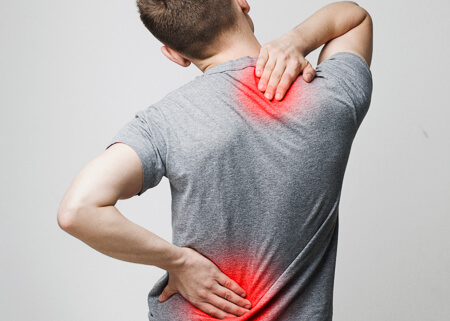
Healing relies on communication throughout the nervous system as your body coordinates processes involved in recovery, including inflammation and tissue repair. When that communication is clear, healing tends to happen efficiently. When it’s disrupted, recovery slows down, even for minor issues that used to resolve on their own.
“People often think healing is just about time. But time doesn’t help much if your nervous system isn’t communicating well in the first place. My job is to identify areas that may be affecting how your body functions and help restore normal movement.” — Dr. Marcus Dunn
The Nervous System Runs the Show
Your nervous system plays a crucial role in coordinating many of your body’s recovery processes. Abnormal spinal movement may influence how comfortably and efficiently your body moves and functions. The message still gets through eventually, just not as clearly or as fast.
Chronic Stress Keeps Your Body on Alert
Ongoing stress, whether physical, emotional, or chemical, keeps your nervous system leaning toward fight-or-flight mode. That state is useful in short bursts, but it may influence the body’s normal recovery processes when it becomes ongoing. Over months or years, that can really add up.
Sleep Is When the Repair Work Happens
Most tissue repair and nervous system recalibration happens during deep sleep. Poor sleep quality doesn’t just leave you tired, it actively shortens the window your body has to do its healing work each night.
Movement Keeps the System Communicating
While it may be tempting to just rest to “protect” an injury, doing so can slow healing further. Appropriate movement is often an important part of recovery because it helps maintain mobility and encourages normal circulation.
How Chiropractic Care Fits In
At Dunn Chiropractic, Dr. Dunn uses the Activator Method®, an instrument-based, precise approach, to assess spinal function and identify areas that may not be moving as intended, then adjusts them gently (no twisting or forceful adjustments here). Improving spinal function doesn’t directly heal an injury, but it may help your body move and function more comfortably during recovery. A post-check after every adjustment helps confirm whether the intended correction was achieved.
If your body feels “stuck,” it’s rarely just bad luck. It may be a sign that something is affecting how your body is recovering. Reach out to our Charlotte practice today to schedule an appointment.